







Search Results for: Coffee Grounds Storage
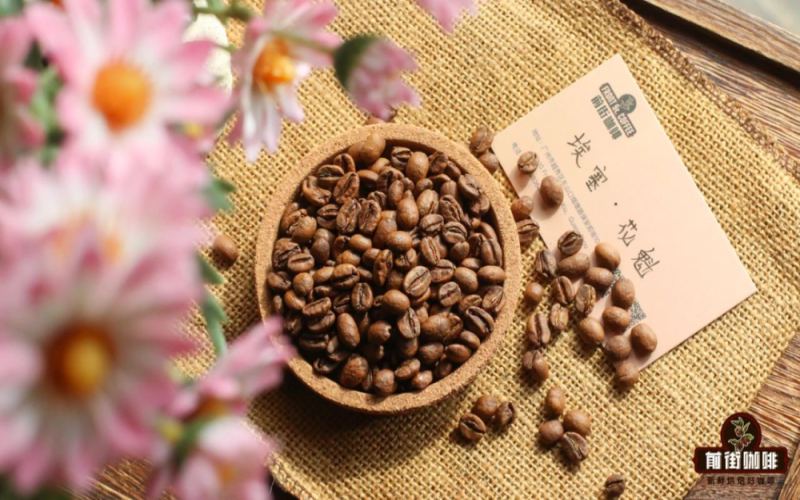
Professional Coffee Grounds Storage Guide | How Long Can Coffee Beans Last After Opening? How to Store Freshly Ground Coffee Without Losing Flavor? What Factors Affect Coffee Bean Freshness?
The freshness of coffee beans directly affects the flavor of a cup of coffee, and proper storage is a key factor influencing the freshness of coffee beans. How should roasted coffee beans be stored? Roasted coffee beans need to be protected from humidity, temperature, and oxidation; oxidation accelerates the dissipation of the flavor of roasted coffee beans. So [more…]
From flavor window to sealed storage: a beginner's guide to the drinking rhythm of choosing espresso blend beans
Roasted espresso coffee beans are in an active degassing phase, and paying attention to the roast date when choosing beans can help you plan your drinking rhythm. Freshly roasted coffee beans accumulate a large amount of carbon dioxide inside. If you extract immediately, the bubbles can easily interfere with the contact between the water flow and the coffee grounds, making the espresso's crema coarse and the flavor astringent. [more…]

From Roast Calendar to Aroma in the Cup: The Flavor Window and Storage Rules for Single-Origin Pour-Over Beans
After coffee beans are roasted, they need to go through a process of gas release and stabilization of their internal aromatic compounds. Freshly roasted beans have a high concentration of carbon dioxide trapped inside, which can cause violent bubbling during brewing, preventing the water from making full contact with the coffee grounds. Through several days of natural degassing, the coffee beans' flavor compounds [more…]

Espresso Blend Opening and Storage Timeline: From Degassing to Flavor Release
After coffee beans are roasted, a large amount of carbon dioxide gas accumulates inside the beans, and this gas is slowly released over time. When extracting espresso, overly active gas can hinder uniform contact between the water flow and the coffee grounds, which can easily lead to channeling during extraction or excessively coarse foam. Understanding [more…]
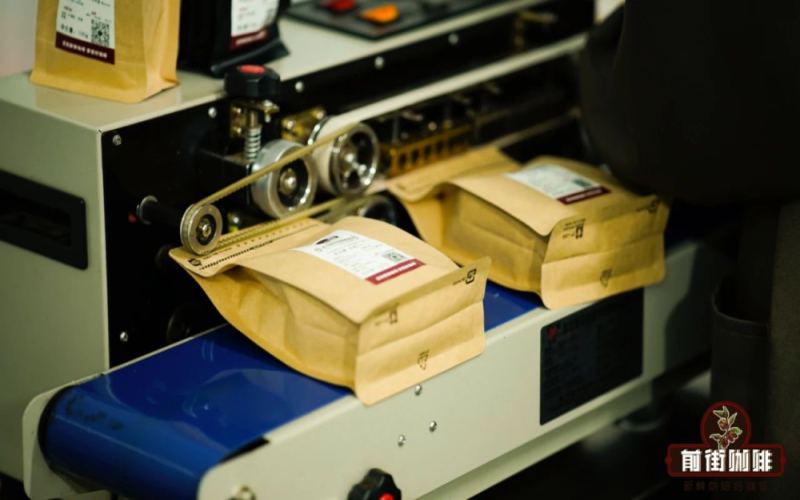
Coffee Grounds Storage | What Factors Affect the Freshness of Roasted Coffee Beans? How Long Is the Shelf Life of Freshly Ground Coffee? Do Coffee Beans Still Need to Be Rested After Grinding?
Recently, a friend asked Front Street Coffee: "Why should the air valve be sealed after coffee beans are ground into powder? Wouldn't that prevent the carbon dioxide inside the package from escaping?" The meaning of the exhaust valve on coffee packaging. Front Street Coffee immediately seals and packages the coffee beans after roasting and cooling, which can minimize the loss of coffee bean flavor. [more…]
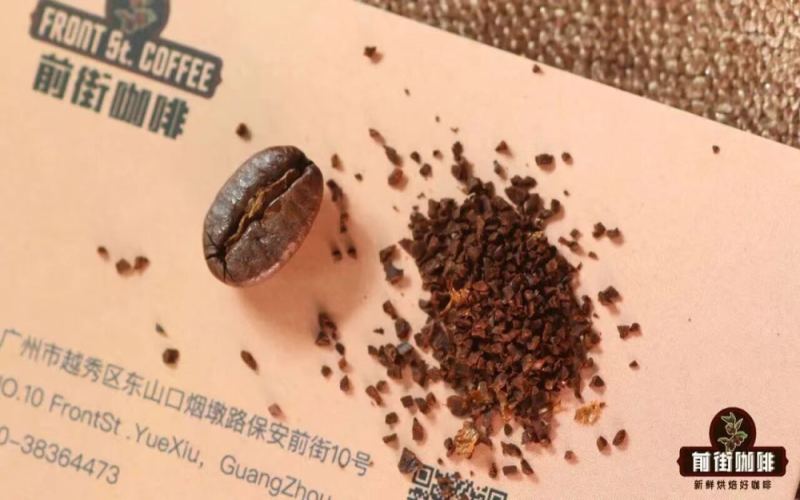
Coffee Bean Peak Flavor Window | Can Washed Yirgacheffe Pour-Over Coffee Grounds Be Stored in the Refrigerator? Is There a Big Flavor Difference Between Roasted Coffee Beans and Freshly Ground Coffee?
Freshly ground coffee brews up more aromatic—this is already a well-worn topic, and we also know well how important freshness is to coffee flavor. But sometimes, to avoid hassle, many friends have the merchant grind the coffee beans into powder before shipping when buying beans, because then when it comes time to brew, there's no need to worry about what grind setting to use, nor [more…]
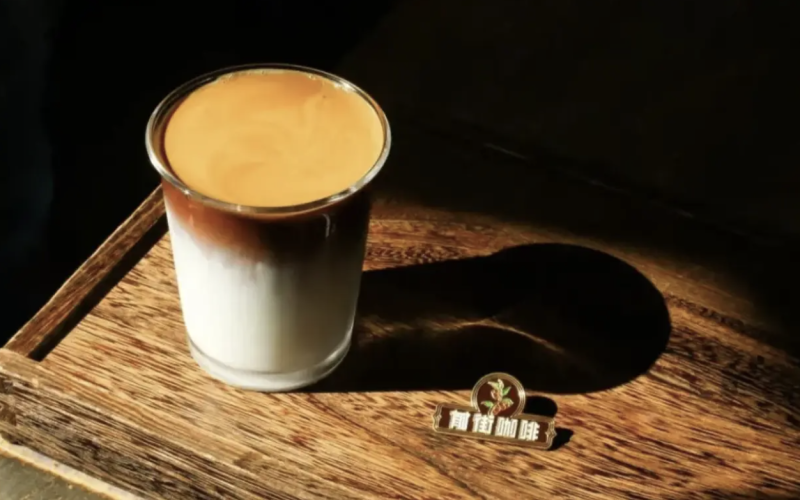
Cold Brew Coffee Practical Guide: Ratio, Time, and Storage Explained Clearly
When the weather gets hot, many people crave cold brew. But buying a cup at a coffee shop easily costs twenty or thirty yuan, and drinking it every day adds up to a considerable expense. In fact, cold brew is a coffee with a very low barrier to making at home—no professional equipment needed, just a sealed jar at home. Soak it the night before, and you can drink it the next morning. This article covers how to make cold brew [more…]
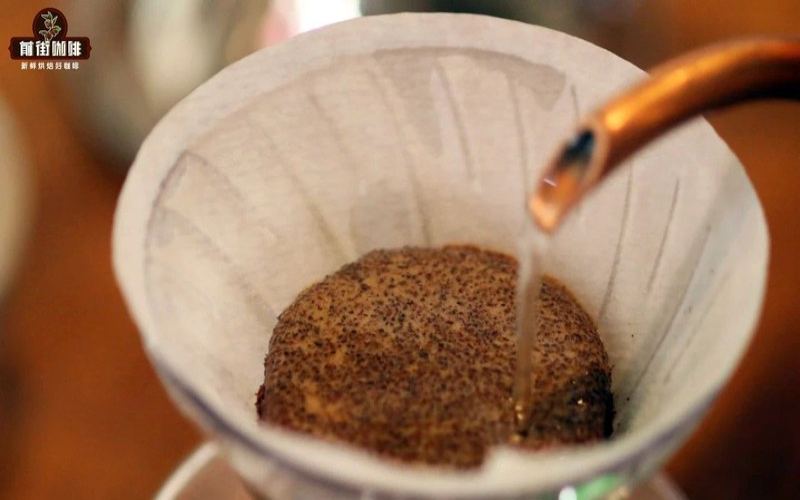
The Flavor Window and Brewing Rhythm of Medium-Roast Coffee Beans: From Degassing to Opening and Storage
Freshly roasted coffee beans are rich in carbon dioxide internally. Under the heat of a medium roast, a loose, porous structure forms, and these gases are gradually released over the following days. If you grind and brew the beans immediately after getting them, the vigorous bubbling of gas will hinder full contact between the water and the coffee grounds, leading to uneven extraction. [more…]
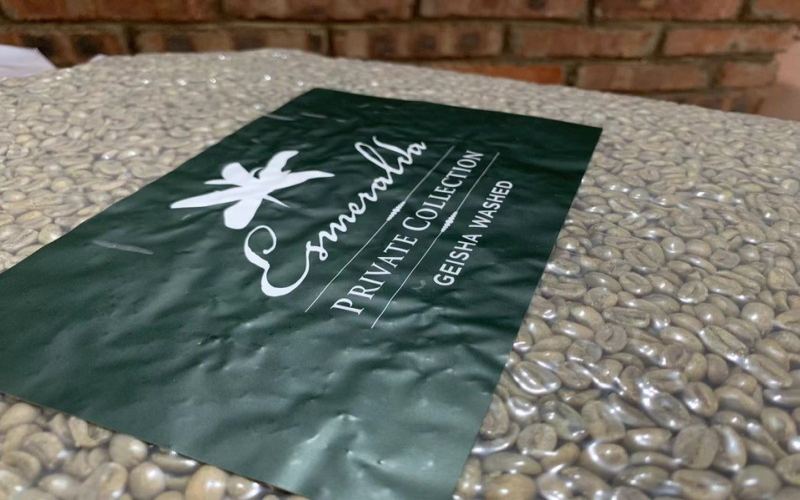
From the degassing period to peak flavor, master the flavor rhythm and storage techniques of blended coffee beans
After roasting is complete, coffee beans accumulate a large amount of carbon dioxide gas inside. When freshly roasted, this gas is highly active, and during brewing it tends to produce vigorous bubbles that hinder the water from fully contacting the coffee grounds. Understanding the roast date and the degassing process is the starting point for appreciating the rich layers of a blended coffee. Blended beans of different roast levels have different degassing rhythms. [more…]

When Buying Beginner Pour-Over Beans, Check the Roast Date: Master the Peak-Flavor Window and Sealed Storage Tips
Freshly roasted coffee beans have accumulated a large amount of carbon dioxide inside, and at this point the bean structure is tight and the aromatic compounds have not yet fully unfurled. If brewed immediately after roasting, the violently released gas can easily prevent hot water from evenly penetrating the coffee grounds, often making the extracted coffee taste thin or sour. Give the coffee beans a [more…]
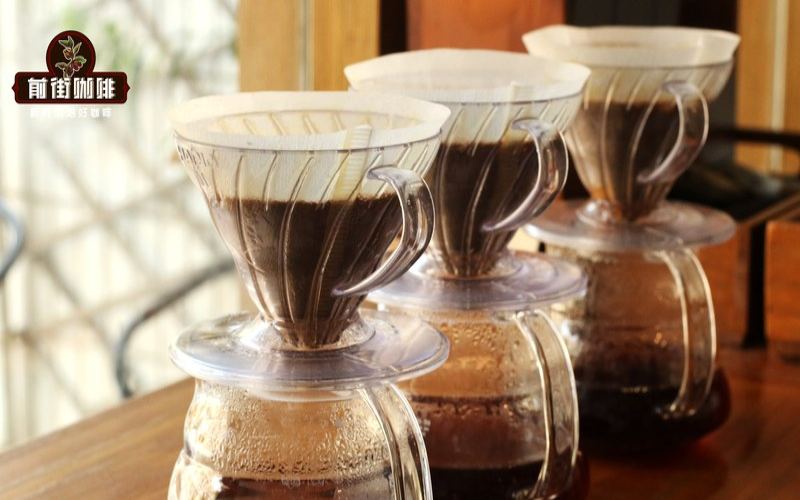
From Degassing Cycle to Opening and Storage: The Flavor Rhythm and Bean Selection Recommendations for Making a Delicious Latte
Freshly roasted coffee beans are filled with carbon dioxide internally. When making a latte, the state of gas release directly affects extraction efficiency and the degree of integration with the milk. Understanding the degassing process of coffee beans at different stages helps us taste a balanced and full-bodied coffee flavor during the phase when aromatic compounds are most active. The initial period after roasting is [more…]
From Water Temperature to Coffee-to-Water Ratio: Key Practical Points and Common Misconceptions in the Entire Pour-Over Coffee Process
To brew a great cup of coffee, good beans alone are far from enough—storage method, grind size, water temperature, and brewing technique all directly affect the flavor of the final cup. This article explores seven key details in coffee making, from the temperature threshold for avoiding bitterness, to the golden ratio of coffee to water, to the flavor tipping point of holding time, offering practical advice for each. Whether you prefer drip equipment or other brewing methods, these principles will help you avoid common pitfalls and consistently reproduce a clean, balanced, and fresh cup of coffee. [more…]
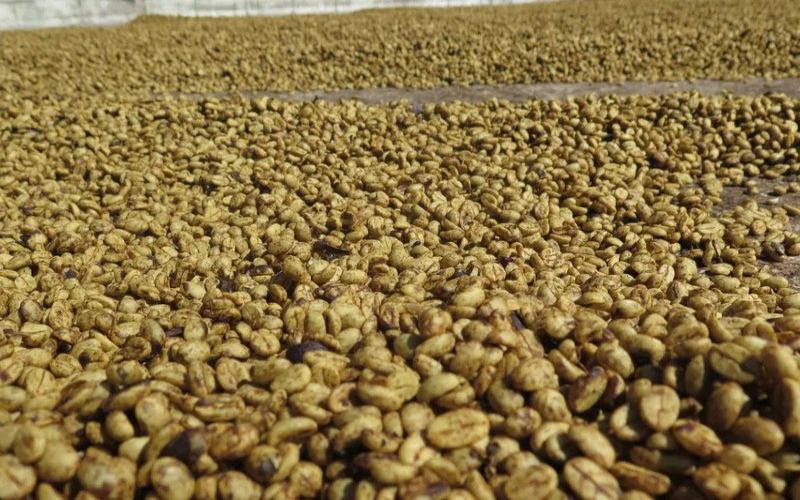
The tasting window for espresso: how to manage the degassing window and storage after opening
Espresso relies on high pressure for rapid extraction. Freshly roasted coffee beans contain a significant amount of carbon dioxide internally. If they are ground and extracted before this gas has fully released, it tends to create coarse foam that interferes with the even penetration of water through the coffee bed. Understanding the degassing patterns of coffee beans can help us more confidently plan when to open [more…]
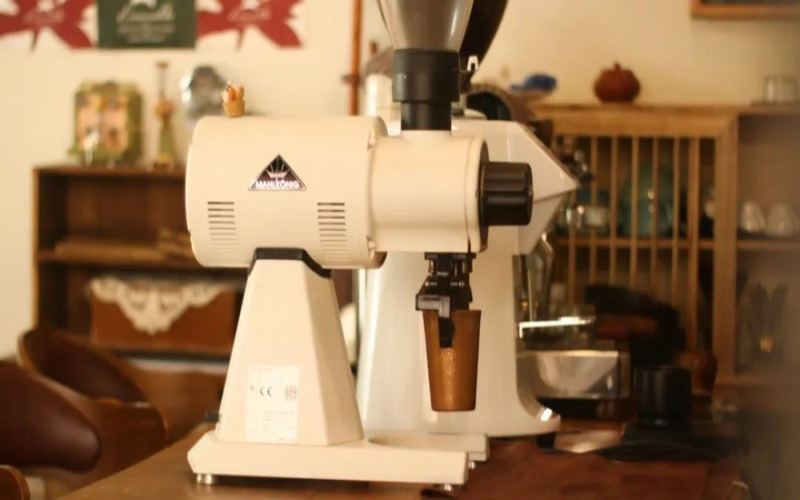
From Roast Date to Opening and Tasting: The Flavor Cycle and Storage Tips of Pour-Over Coffee Beans
Freshly roasted coffee beans accumulate a large amount of carbon dioxide gas within their bodies, making them unsuitable for immediate grinding and brewing in the first few days after roasting. When hot water is poured in, the gas is released violently, forming a dense barrier layer that hinders full contact between the water flow and the coffee grounds. Through a resting and degassing period ranging from several days to more than ten days, the internal aroma molecules [more…]
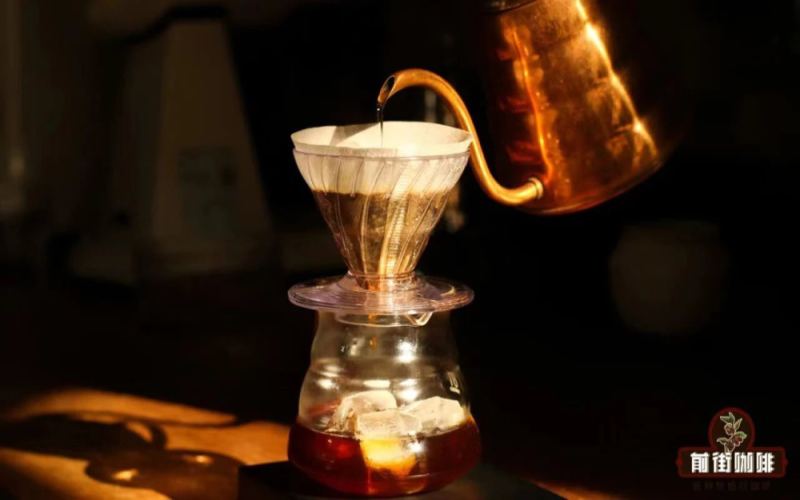
Coffee Storage Tips | How Many Days Should Freshly Roasted Coffee Beans Rest? How Soon Should You Finish Ground Coffee? How Does Grind Size Affect Coffee Flavor and Mouthfeel?
For more specialty coffee knowledge, please follow: Front Street Coffee (Frontsteet Coffee). In coffee, the coarseness of the grind directly affects the contact area between coffee and water as well as the extraction time, and it will directly affect the taste of the coffee. But at the same time, the coffee grind size is also what gives many people the biggest headache. [more…]
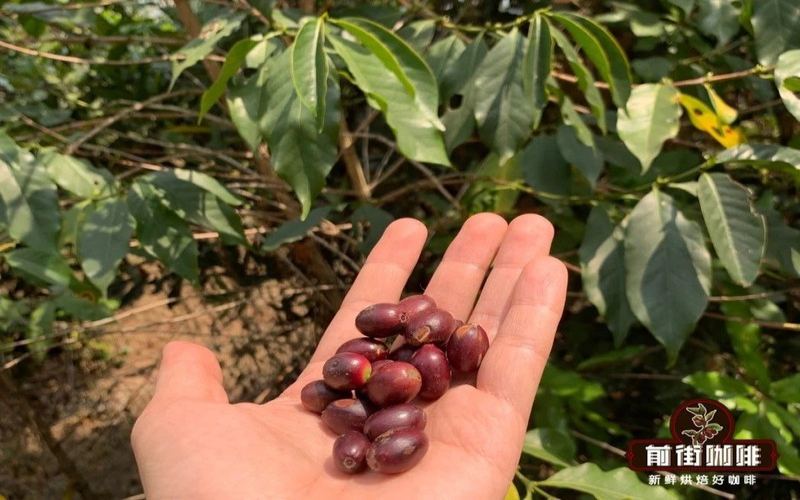
Master the flavor window of light-roast pour-over: understanding the degassing cycle and sealed storage to make aroma last longer
After light-roasted coffee beans leave the roaster, subtle gas exchange continues inside them. The large amount of carbon dioxide accumulated during roasting slowly escapes through the loose fibrous structure, and this natural release process directly affects the penetration efficiency of hot water molecules. Understanding the breathing rhythm of coffee beans can help me [more…]
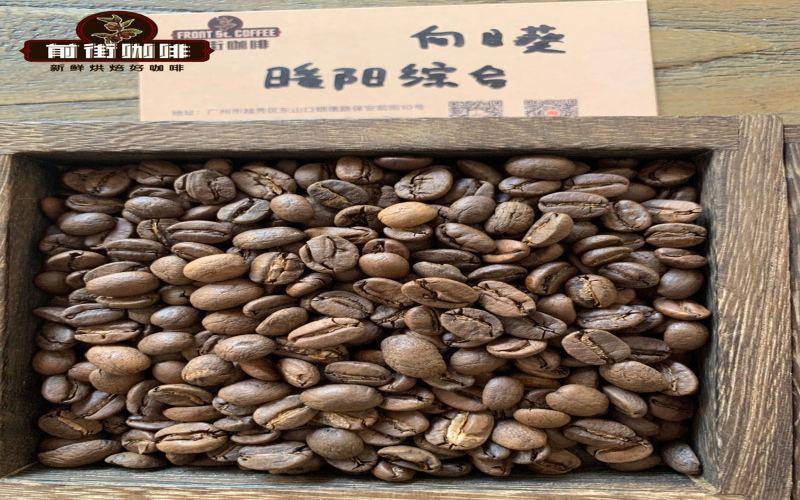
The Flavor Window and Storage Guide for Dark Roast Pour-Over Beans: From Degassing to Peak Flavor
Darker-roasted coffee beans undergo full caramelization and Maillard reactions in the roaster; the fibrous structure inside the bean expands, creating larger pores, and the degree of gas saturation and the rate of release are noticeably faster than in light roasts. Understanding the degassing patterns and flavor evolution of dark-roasted beans helps you accurately gauge the bean's condition during everyday pour-over brewing, allowing [more…]
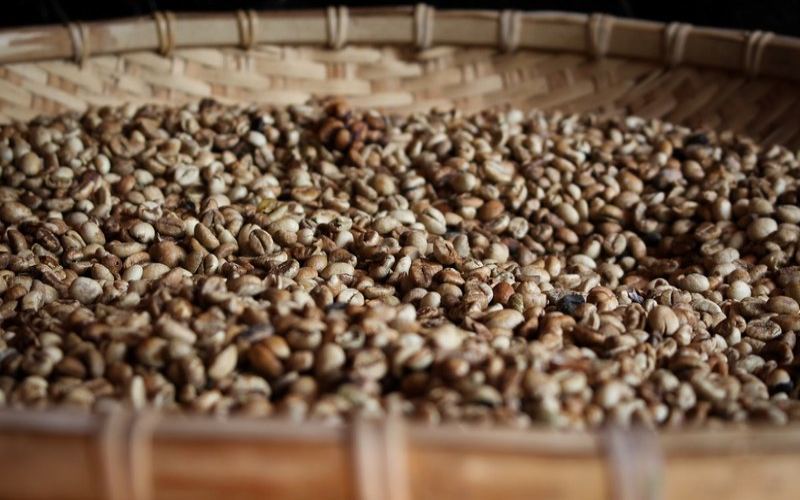
How Many Days After Roasting Do Coffee Beans Taste Best? From Resting Cycles to Sealed Storage—The Rhythm of Peak Flavor
Freshly roasted coffee beans enter a degassing phase in the early stage, during which the carbon dioxide trapped inside is slowly released over time. If brewed immediately at this point, the water flow tends to be blocked by the bubbles, preventing the flavor compounds from dissolving out evenly. Letting the beans rest in a bag with a degassing valve for a period of time allows the internal pressure to stabilize. This process [more…]
The Flavor Peak of Espresso: Understanding Roast Dates, Degassing Cycles, and Daily Sealed Storage
Espresso extraction is extremely sensitive to the state of the carbon dioxide inside the coffee beans, and the completion of roasting does not mean the beans immediately reach the balance point for aroma release. Freshly roasted coffee beans are packed with a large amount of gas inside. If pressurized extraction is carried out right away, the water flow is easily obstructed by bubbles, leading to uneven extraction and bringing out too many off-flavors. Understanding [more…]
American-style coffee beans within their peak flavor window: the selection and drinking rhythm from degassing and resting to opening and storage
The clear, translucent mouthfeel and layered complexity of Americano depend largely on the活跃 state of the flavor compounds inside the coffee beans. Freshly roasted coffee beans do not reach their full, vibrant state immediately; the carbon dioxide that builds up inside them is slowly released over time. Understanding this pattern of change can help us follow the beans' natural rhythm and, at [more…]